
Electric Aircraft Demonstrate Advanced Air Mobility Potential in Tampa Bay
| Company | Tampa International Airport |
|---|---|
| Date | 03.11.2026 |
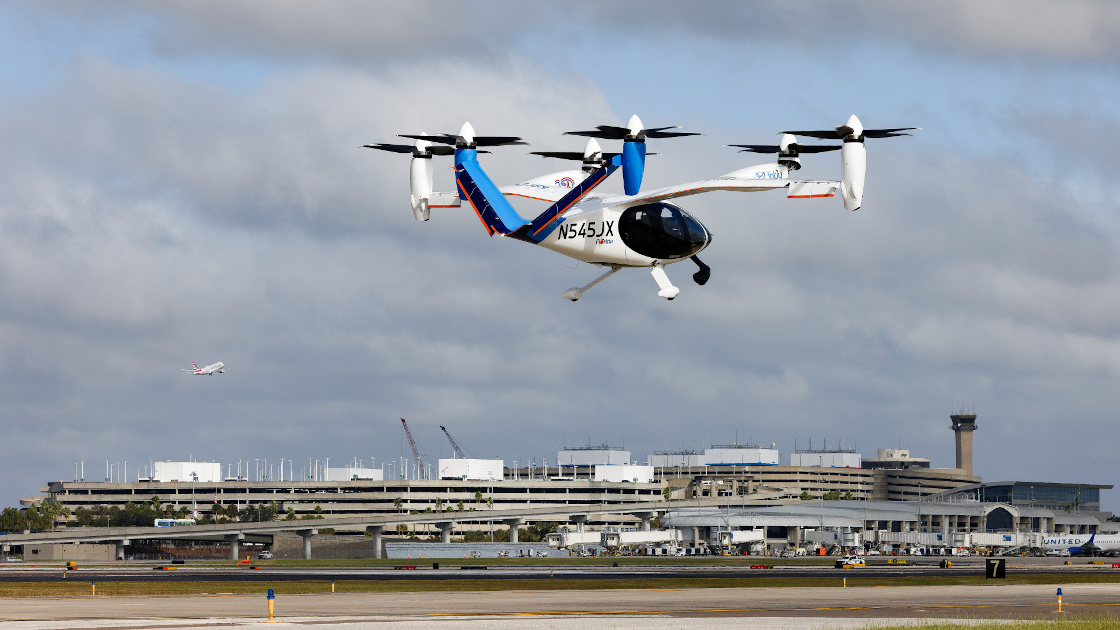
Dalton Hoch / Tampa International Airport
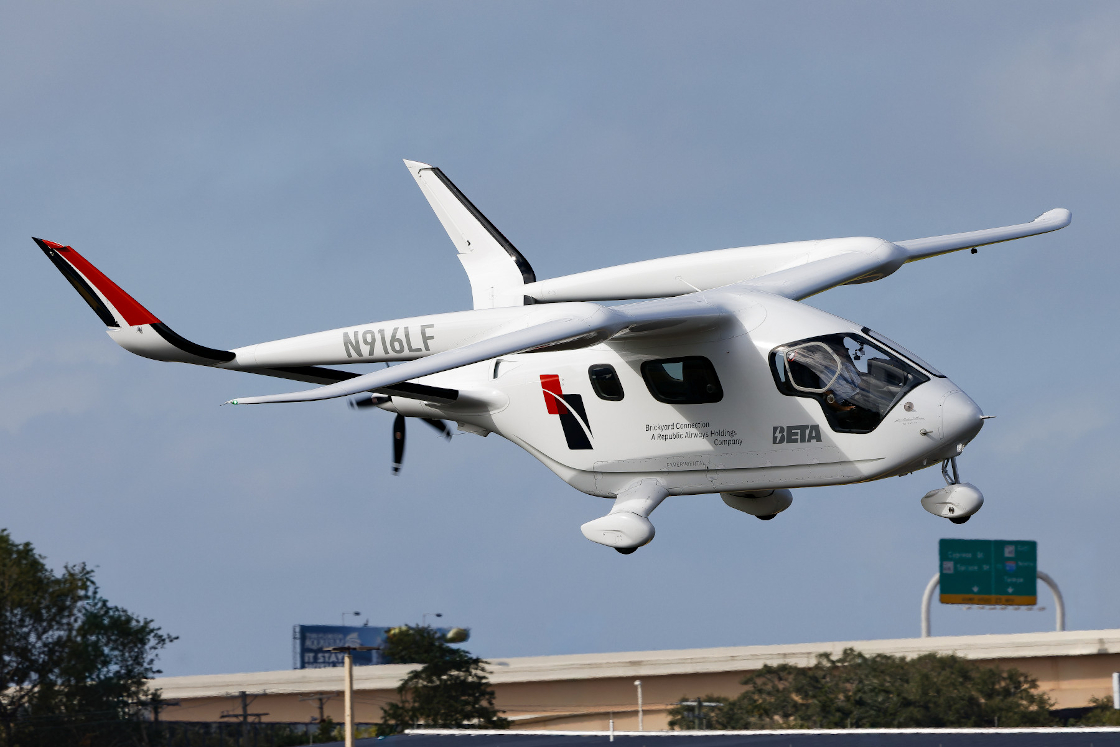
Two battery-powered electric aircraft have completed an Advanced Air Mobility (AAM) demonstration flight across Tampa Bay, highlighting the potential for electric aviation to support future passenger transport, cargo operations and emergency services in Florida.
The demonstration, hosted by the Florida Department of Transportation (FDOT) on Friday, involved aircraft manufacturers Joby Aviation and BETA Technologies working alongside the Federal Aviation Administration (FAA) and FDOT. The flights took place as part of preparations for the future integration of electric vertical take-off and landing (eVTOL) and conventional take-off and landing (CTOL) aircraft into the US aviation network.
FDOT is one of eight partners selected to participate in the FAA’s eVTOL Integration Pilot Program (eIPP), a US Department of Transportation initiative intended to accelerate the testing and deployment of advanced aircraft. Potential early applications include air taxi services, cargo logistics and emergency medical and organ transport.
The demonstration began at Albert Whitted Airport in downtown St. Petersburg, following a route across Tampa Bay towards Tampa International Airport. The location has particular significance for aviation history: on 1 January 1914, pilot Tony Jannus carried the first paying airline passenger, former St. Petersburg Mayor Abram Pheil, across the bay aboard a Benoist XIV flying boat. The journey is widely recognised as the world’s first scheduled commercial airline flight.

The recent demonstration retraced a similar route, with the electric aircraft completing flyovers and landings as spectators gathered at waterfront locations in St. Petersburg and around Tampa International Airport.
Tampa International Airport is already assessing how electric aircraft could be incorporated into the region’s wider transport network, including identifying potential operating areas on the airfield and considering the roles of nearby Peter O. Knight Airport and Tampa Executive Airport.
Airport CEO Michael Stephens said the region was exploring the infrastructure and operational requirements needed to support an Advanced Air Mobility network, with the demonstration providing an opportunity to examine the technology’s potential applications.
Attendees were also able to view the aircraft at close quarters and learn about their battery-powered propulsion systems, which have the potential to reduce noise compared with conventional aircraft.
FAA Administrator Bryan Bedford said the demonstration flights would provide valuable operational data and lessons to support the development of safety standards for future everyday operations.
The flight series is among the first to make use of Florida’s proposed Aerial Highway Network, which is intended to establish dedicated aerial corridors connecting major hubs across the state. The network is planned to follow Interstate 4, one of Florida’s busiest transport corridors, with demonstrations examining how advanced aircraft could offer alternatives to congested road journeys.
The project builds on Tampa Bay’s long association with aviation, linking the region’s historic role in the development of commercial passenger services with emerging electric aircraft technology. Future applications could include short-distance passenger journeys and the movement of goods between airports and population centres.
Further information about FDOT’s Advanced Air Mobility initiatives is available at https://suntraxfl.com/.
Dalton Hoch / Tampa International Airport
Contact
4100 George J Bean Parkway
Tampa
Florida
United States
FL 33607,
- +1 813-870-8700
