
Manchester Airport opens new hi-tech sensory zone in Terminal 2
| Company | Manchester Airport |
|---|---|
| Date | 30.09.2026 |
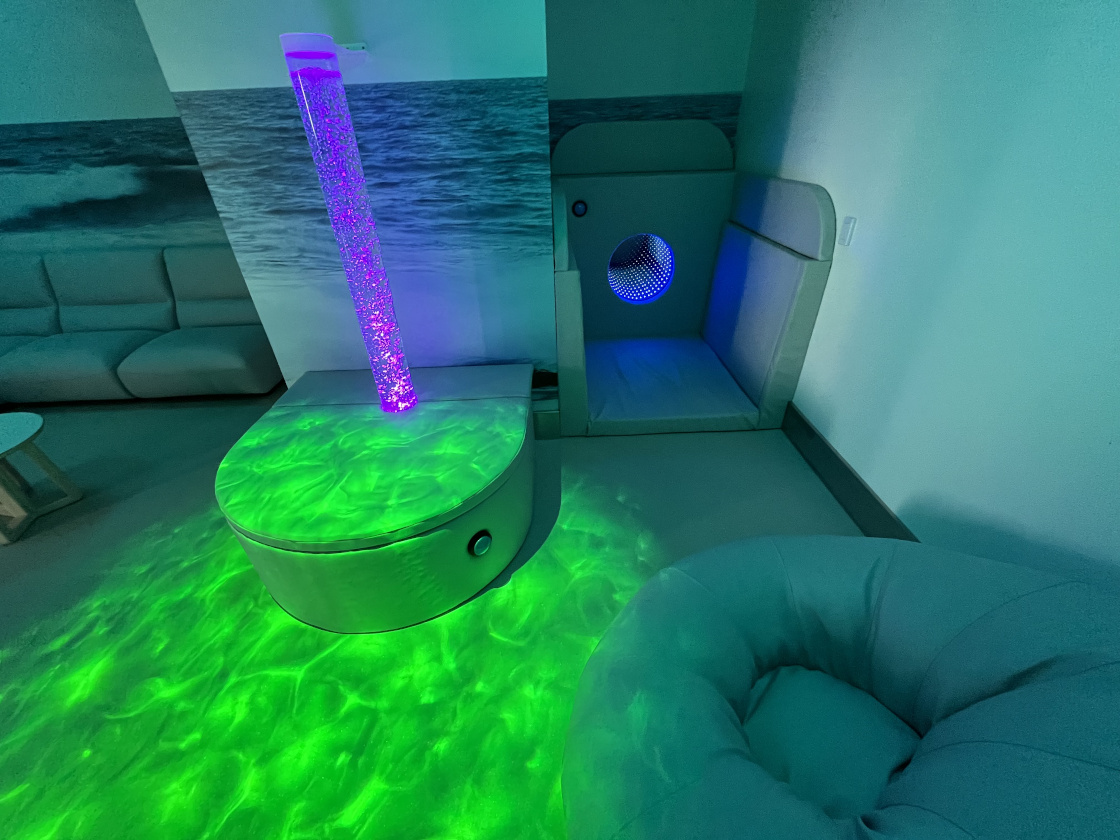
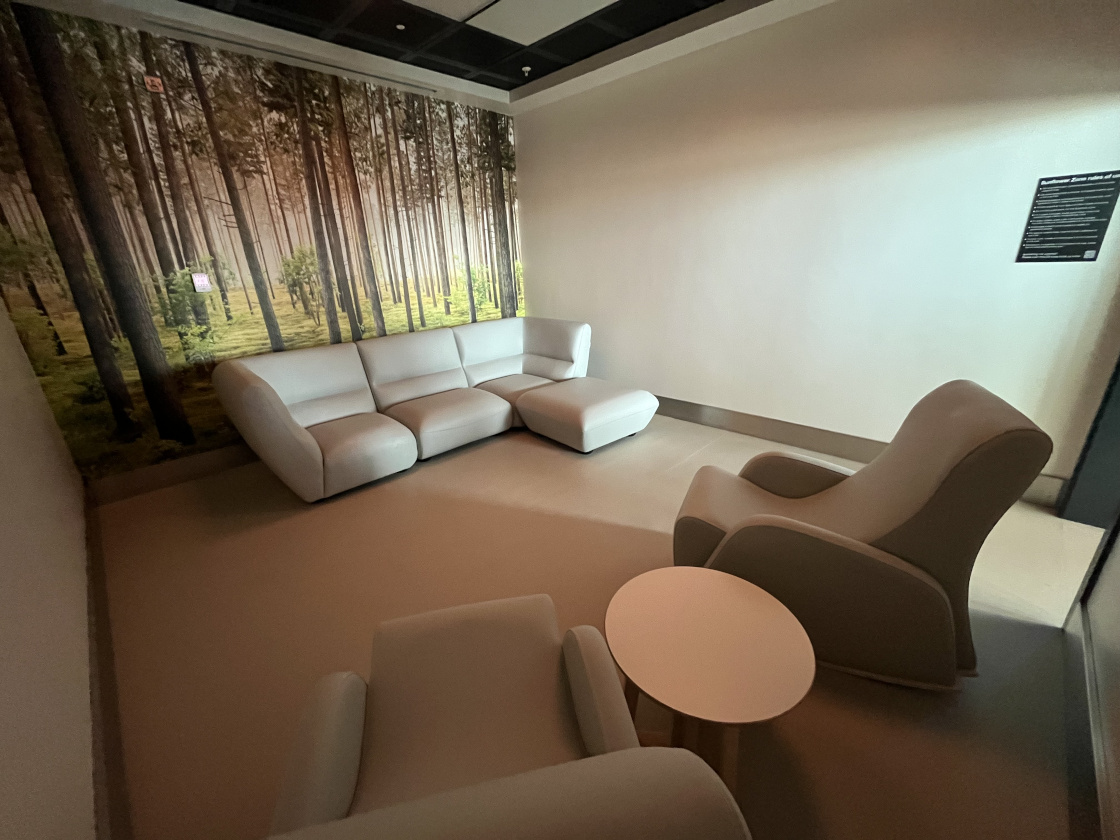
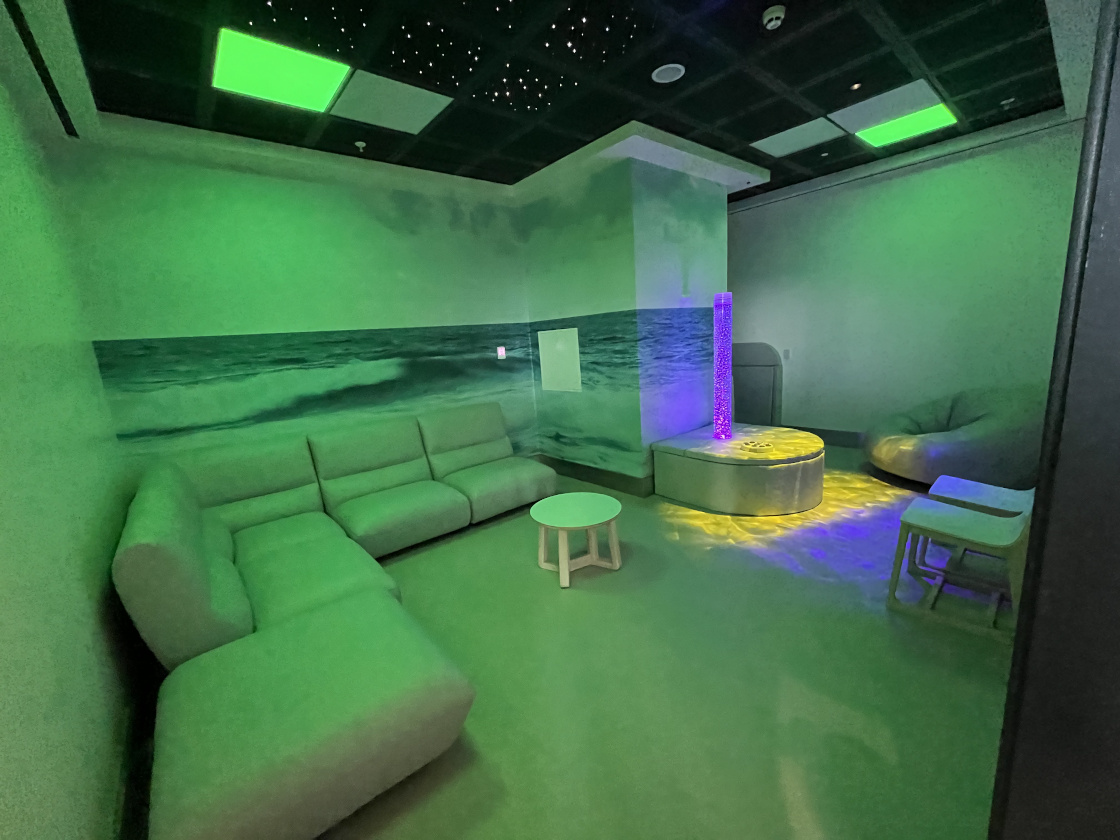
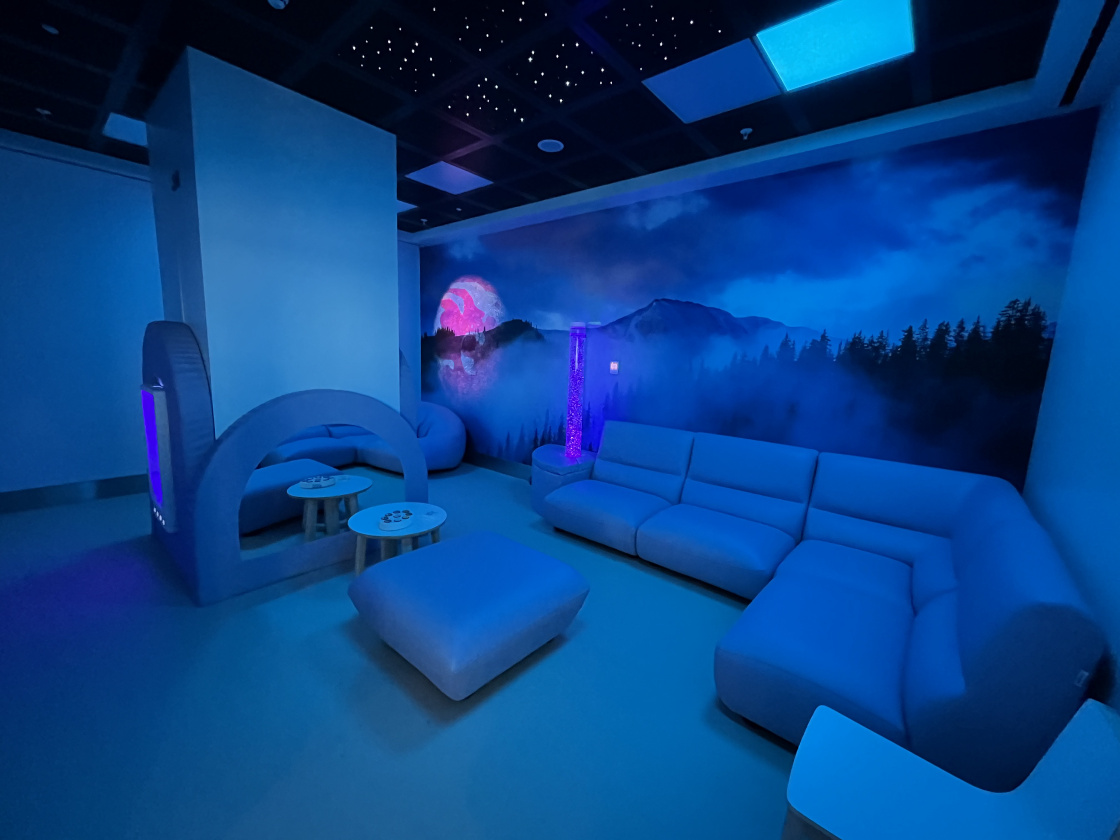
Manchester Airport has officially opened a state-of-the-art space in Terminal 2 that will offer respite to passengers with autism and neurodivergence, along with other non-visible disabilities and assistance needs, as they wait to board their flights.
The Sunflower Room facility is broken down into three sections – two of which are sensory rooms offering an array of interactive features, alongside a quiet room space to act as a retreat from the hustle and bustle of the terminal, with comfortable seating, low-level lighting and minimal stimuli.
Features of the two sensory rooms include bubble tubes, infinity mirrors, light projectors, adjustable lighting including brightness and colour, and weighted, padded furniture. The design of the rooms and the different types of furniture on offer accommodate for passengers who wish to sit, stand, or lie down when using these spaces. At the entrance are flight information screens, so that passengers using the facility can quickly and easily check for updates and information.
Ed Kibblewhite, Head of Terminal Services at Manchester Airport, said: “We’re proud to offer a world-class experience in our award-winning Terminal 2, which is nearing the end of a decade-long transformation. This is the latest step in that journey and the facility that we are opening here really is at the cutting edge.
“Whether you’re looking to relax, reduce sensory input, or simply recharge, these spaces are available for you to use and do not need to be pre-booked.”
The rooms have been designed by Yorkshire-based sensory specialists AmbiSpace, with additional input from the National Autistic Society, the airport’s special assistance provider ABM, and the Manchester Airport Disability Forum – a committee of airport users with disabilities and restricted mobility who advise airport management on issues related to special assistance and accessibility. AmbiSpace has also secured a contract to maintain and manage the facility.
AmbiSpace’s Marketing Manager, Dean Cook, said: “We’ve previously worked on sensory rooms and quiet spaces in a range of environments, from prisons, to schools and colleges, to shopping centres – but this is the first time we’ve worked on a space like this in an airport, so it’s great to have been able to be part of this project.

“There was a long and meticulous design and consultation process for this space, and the goal was to have a diverse sensory area that could accommodate a range of needs. Different users of this space will have different needs as they relax ahead of their flights and in such a busy international airport, the full array of needs and preferences will be represented among the passengers travelling through, so we needed to be mindful of that.”
Emma Roberts, a Greater Manchester-based Project Officer for the National Autistic Society, took part in the consultation process and was present for the opening of the new facility. She said: “From the beginning we were clear about the need for different spaces. Every autistic person is different; some people find lights and bubbles regulating, some need movement, while others just need a quiet space to sit. By offering three distinct, private spaces, Manchester Airport is supporting passengers to feel calm and regulate before their flight.’’
“This space can absolutely become a part of the travel routine in Terminal 2 for autistic passengers and their travel companions, it will allow them to plan their journeys with much more confidence and will help ensure that holidays get off to the right start.”
Anwar Hussain, Contract Manager for Special Assistance provider ABM, added: “The opening of the new sensory space is something we are really excited about. It gives our teams another way to tailor the support we provide to each individual passenger and their needs. It is about making sure we are not just getting passengers from A to B but helping them travel in a way that works best for them. Every passenger is different, and this space allows us to recognise those differences and provide the support each person needs to have a positive journey.”
