Fuel Hydrant System
Images

A more efficient, easy-to-operate, and safer solution for under-wing refueling of military aircraft and helicopters.
The Ruino Fuel Hydrant System is an intelligent system that enables integrated management of refueling equipment. It manages the operational status of on-site refueling equipment through a refueling controller and reports back to management via a central computer. The central computer enables refueling authorization control and status monitoring.
Key features include:
-Real-time tank level monitoring and early warning
-Remote control of valves and pumps
-Monitoring of pipeline pressure and flow parameters
-Statistical analysis of refueling data
Dedicated to upgrading automation levels for operators and building a more secure and intelligent refueling system.

Central Computer Workstation View
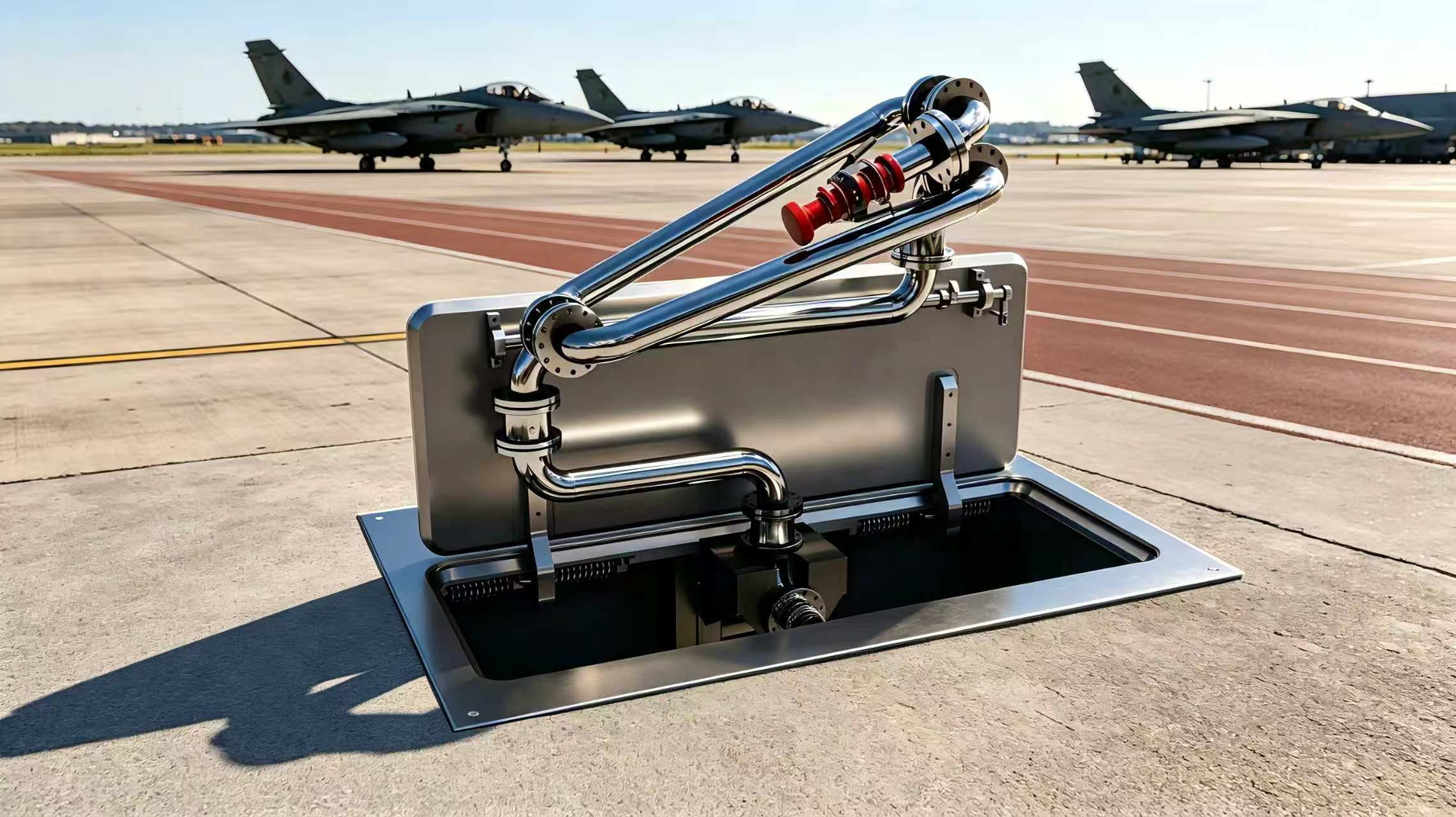
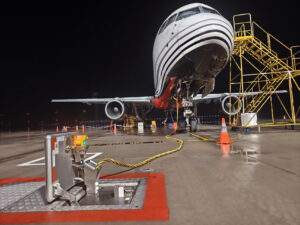
The on-site refueling equipment is Ruino’s independently developed and manufactured second-generation jet fuel integrated dispensing unit — the Pop-up refuelling pit , a highly efficient and convenient aircraft ground refuelling unit permanently installed at aircraft parking positions. The main body of the device is concealed underground, normally retracted flush with the runway surface so as not to interfere with any aircraft or vehicle operations. When in use, the pit cover is opened and the refuelling arm is deployed to directly service receiving aircraft or fuel vehicles. Using a full rigid-pipe design with a power-assisted lift mechanism, a single operator can easily complete the entire operation.
Ruino Hydrant Pit
The Ruino hydrant pit features an integrated design that combines various modules including a filter separator, flow meter, controller, and electrostatic safety device. It is capable of fuel dispensing, fuel filtration, metering, pipeline flushing, and pipeline pressure relief, enabling safe and efficient aircraft ground refuelling operations.
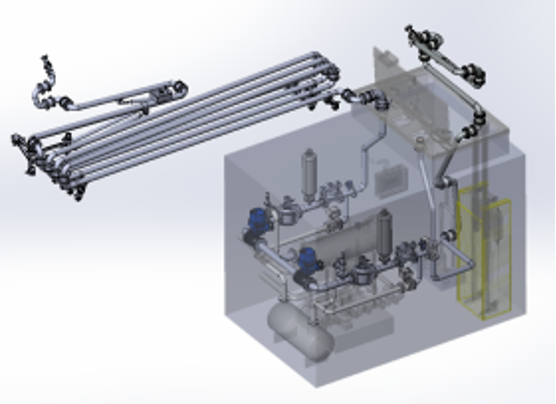
Internal configuration diagram of the Ruino Hydrant pit
The Hydrant pit uses a mechanical counterbalance weight system. During operation, only 5–10 kg of initial force is required to open the ground pit. The pit cover has been tested by a professional laboratory to withstand a load of 60 tonnes, offering high-level protective performance.
Other Products From Ruino Aviation Equipment Co., Ltd
Pit System

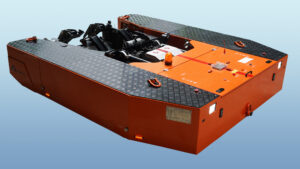
Towbarless Aircraft Tractor
