
Charlotte Douglas Updates Lightning Detection System to Cut Unnecessary Delays
| Company | Charlotte Douglas International Airport |
|---|---|
| Date | 21.08.2026 |
Revised alert parameters aim to improve ramp safety while reducing weather-related disruption at the US airport
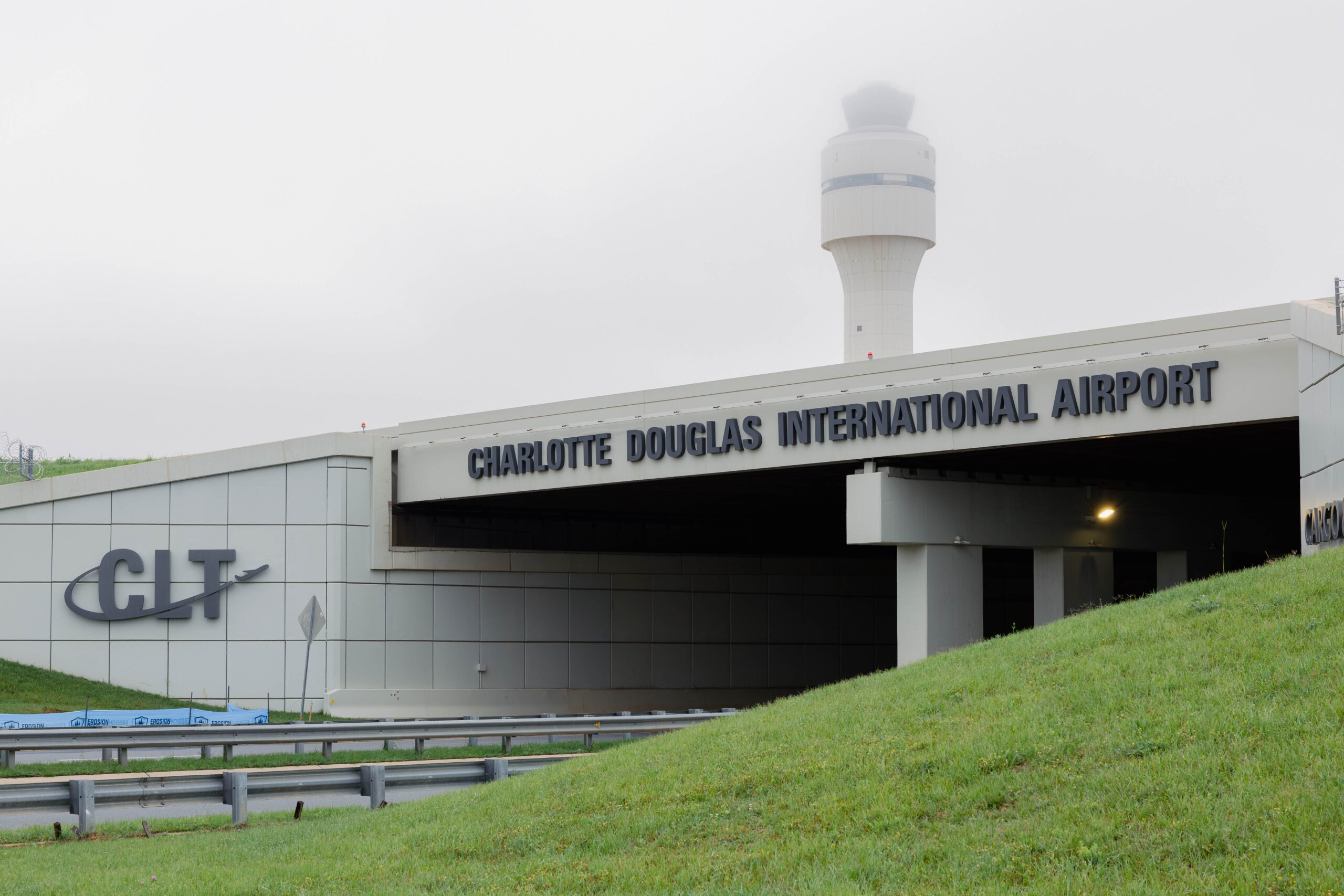
Charlotte Douglas International Airport (CLT) has revised the detection and alerting parameters used by its Lightning Detection and Advisory Program (LDAP), with the changes designed to reduce unnecessary weather-related delays while maintaining safety for airport workers, airline employees and passengers.
The revised parameters were introduced earlier this summer following consultation with other airports and stakeholders and a safety risk assessment carried out by CLT. The airport said the changes were intended to align its lightning procedures more closely with industry best practices while improving operational coordination.
The programme now uses detection zones based on the airport perimeter rather than the airfield’s centre point, increasing the coverage of the inner zone by approximately 1.4 miles. The revised parameters also remove in-cloud lightning from the airport’s most restrictive alarm threshold.
Under the updated system:
- Advisory: In-cloud and/or cloud-to-ground lightning detected within 25 miles of CLT’s perimeter triggers a pre-alert. The previous threshold was 20 miles.
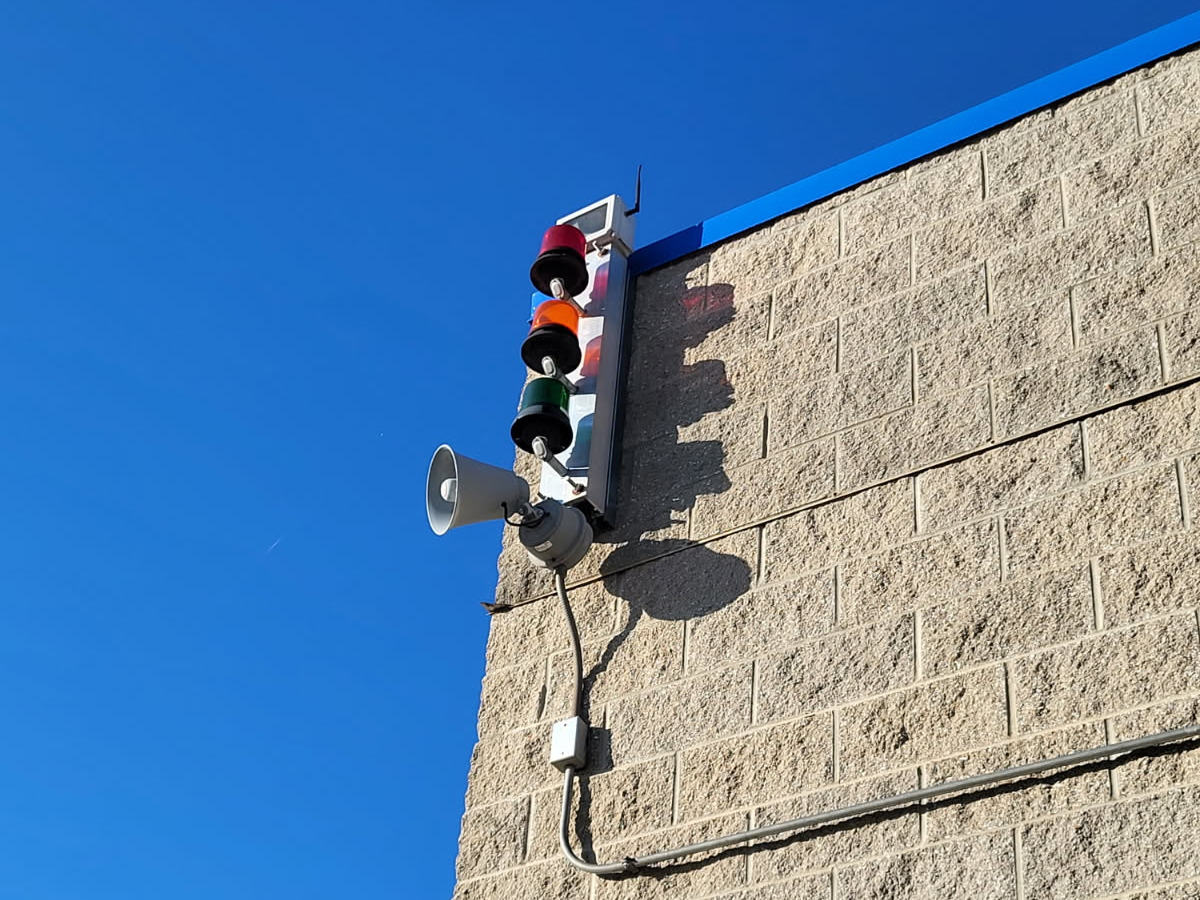
- Warning: In-cloud and/or cloud-to-ground lightning detected within 10 miles triggers an audible alert and amber warning light.
- Alarm: Cloud-to-ground lightning detected within 3 miles triggers the alarm and places the ramp on red status. In-cloud lightning is no longer included in this threshold.
- All Clear: Green status is issued when no cloud-to-ground lightning has been detected within 3 miles for 10 minutes, or no total lightning has been detected within 10 miles for 10 minutes.
CLT’s Airport Operations Center continuously monitors lightning activity and verifies automatic web-relay alerts from Vaisala, whose lightning-detection sensor network is used by NASA and other organisations.
The revised approach follows data provided by American Airlines, CLT’s largest carrier, which showed that 75–80% of ramp closures during 2024 and 2025 were attributed to in-cloud lightning rather than cloud-to-ground lightning.
The airport said the previous approach could result in ramp closures during storms where no cloud-to-ground lightning was detected. Extended closures can lead to cascading flight delays, crew time-outs, passengers remaining onboard aircraft and wider disruption to airport operations.

“I’m sure everyone can understand the significant impact on the National Airspace System when an airport the size of Charlotte closes the ramp and is unable to accept or move traffic, whether that’s departing or arriving flights,” said Erick Hall, Airport Operations Center Manager at Charlotte Douglas International Airport. “So, we tried to reassess and balance that a little more.”
CLT emphasised that its lightning programme is advisory rather than mandatory, with individual airlines and other airport stakeholders responsible for establishing their own operational response policies.
The revised parameters are intended to provide earlier awareness of approaching storms while reducing ramp closures caused by lightning that presents a lower operational risk.
The airport is also planning to install a red-amber-green light stack at the Airport Overlook as part of a lighting upgrade project, providing visitors with information about ramp conditions and lightning activity.
Source & Images: Charlotte Douglas International Airport
Contact
5501 Josh Birmingham Parkway
Charlotte
North Carolina
United States
- +1 704-359-4013
